
Top Mistakes People Make When Buying an Ergonomic Chair
Buying an ergonomic chair may seem straightforward, but many people make avoidable mistakes that can lead to discomfort and wasted money. By understanding the common pitfalls, you can make a more informed decision and choose a chair that keeps you comfortable and supported.
Ignoring Your Body Measurements
One of the biggest mistakes is choosing a chair without considering your body size and proportions. A chair that’s too low, too shallow, or too narrow can leave you slouching or feeling unsupported, no matter how many features it has. Measuring your height, weight, and seat preferences before buying is essential.
Take time to compare your measurements with the chair’s specifications. Pay attention to:
- Seat height: feet should rest flat on the floor
- Seat depth: thighs should be fully supported without cutting circulation
- Backrest alignment: lumbar support should match your lower back curve
Even small mismatches can cause discomfort over time, so this step is crucial.
Overvaluing Extra Features You Don’t Use
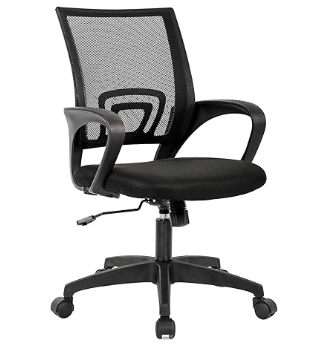
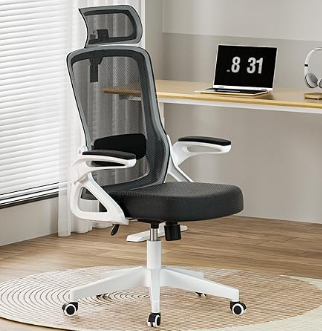
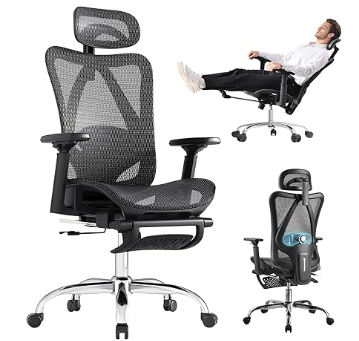
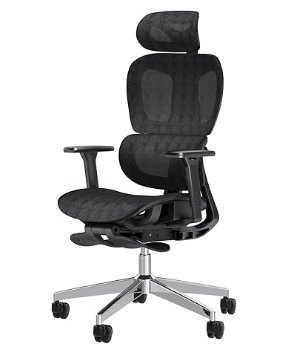
Many chairs come with bells and whistles, retractable footrests, headrests, advanced armrests—but not everyone needs them. Spending money on features you won’t use is a common error.
When evaluating extras, consider:
- Which features will you actually adjust daily?
- Do you need a footrest or headrest for your sitting habits?
- Are multi-directional armrests necessary, or would basic height adjustment suffice?
Focus on what genuinely improves comfort, and ignore features that sound fancy but won’t make a real difference.
Choosing Style Over Comfort
It’s tempting to pick a chair based on color, design, or trendiness. But a chair that looks good but doesn’t support your body properly will cost you in discomfort over time.
Comfort should always take priority over appearance. Consider how the chair fits your posture and work habits:
- Can you sit upright with proper lumbar support?
- Does it allow for adjustments to match your desk height?
- Will you remain comfortable after hours of work?
Even if it’s not the flashiest option, a chair that works ergonomically will be worth it every day.
Not Considering Long-Term Durability
Some chairs may feel fine at first but deteriorate quickly due to poor materials or construction. Longevity is just as important as immediate comfort.
Check for:
- Frame quality: steel or aluminum frames last longer than plastic
- Upholstery: mesh, leather, or durable fabric should hold up over time
- Moving parts: gas lifts, recline mechanisms, and armrests should be tested for reliability
- Weight capacity: ensure it suits your body weight for long-term support
Investing a bit more in durability can prevent headaches and save money in the long run.
Forgetting About Assembly and Delivery
Even a high-quality chair can become a hassle if you overlook assembly and shipping considerations. Some chairs are heavy, require multiple tools, or take time to put together.
Before buying, check:
- Tools needed and included in the package
- Estimated assembly time
- Delivery requirements: size, weight, and possible fees
- Packaging and protection during shipping
Planning ahead makes the setup smoother and reduces the risk of damage.
Falling for “Cheap” Deals That Aren’t Worth It
Low-cost chairs are tempting, but many compromise on adjustability, materials, or ergonomics. A cheap chair might save money upfront but cost more in discomfort and replacements.
When evaluating budget options, consider:
- Adjustability: can you change height, tilt, and armrests as needed?
- Material quality: cheap plastics and fabrics wear out quickly
- Reviews: check for common complaints about durability or comfort
- Balance of price and features: sometimes mid-range chairs provide better value
Choosing wisely ensures you get a chair that lasts and supports your body correctly.
How to Avoid These Mistakes
Avoiding these pitfalls starts with preparation. Measure your body, identify essential features, check materials and durability, consider assembly, and read reviews carefully. Taking these steps helps you find a chair that genuinely supports your posture, keeps you comfortable during long work sessions, and proves to be a solid investment for years to come.