
Ergonomic Chair Features
Not all chairs are created equal, and understanding the features that really matter can save you time, money, and back pain. Here’s a detailed guide to the key elements that make an ergonomic chair worth buying.
Lumbar Support: Why It’s the MVP
Lumbar support is the cornerstone of any ergonomic chair. It directly affects your lower back and overall posture. A chair with adjustable lumbar support lets you match the natural curve of your spine, reducing strain and discomfort.
Some models even allow you to adjust the firmness or the height independently, making them adaptable to different sitting positions. Without proper lumbar support, even a pricey chair can leave you sore after a few hours at your desk.
Adjustable Seat Height and Depth
Seat height and depth are crucial for proper leg alignment and circulation. Your feet should rest flat on the floor, with knees forming roughly a 90-degree angle. Seat depth ensures that your thighs are supported and that your back reaches the lumbar support properly. Some chairs offer adjustable seat depth, which is particularly useful if your body proportions are outside standard ranges or if multiple people use the same chair.
Recline Options: Tilt, Lock, and Rock
A good recline system allows you to change positions throughout the day, preventing stiffness. Chairs may offer tilt, lock, and rocking functions, and tilt tension controls adjust the effort needed to recline according to your body weight. Being able to lock the chair at different angles can make it easier to switch between focused work and relaxed positions, keeping you comfortable and productive.
Armrests: 2D, 3D, 4D – What Does It Mean?
Armrests help prevent shoulder and neck strain, but their adjustability varies. In general:
- 2D moves up and down
- 3D adds forward/backward or sideways movement
- 4D includes rotation for fine positioning
Choosing the right type depends on your desk setup and personal preference. Properly adjusted armrests can make a noticeable difference over long sitting periods.
Headrest and Neck Support: Do You Really Need It?
Headrests relieve tension in your neck and upper spine, especially if you spend a lot of time leaning back.
Adjustable headrests that move vertically and tilt are the most versatile. While not essential for everyone, a headrest can improve comfort for those who recline frequently or take short breaks while sitting.
Footrests and Additional Comfort Features
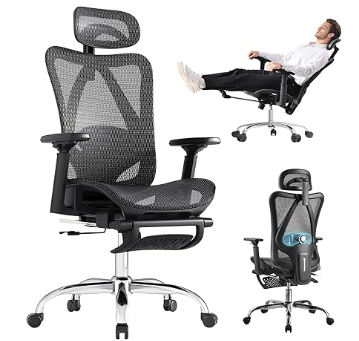
Some chairs include footrests or extra padding to enhance comfort. Footrests can be especially helpful for shorter users or when reclining. Additional features like seat cushions or ventilation pads add convenience and comfort without drastically changing the chair’s ergonomics.
Materials and Durability: Mesh vs. Leather vs. Fabric
The material affects both comfort and durability. Mesh chairs are breathable and excellent for hot environments, while leather chairs are sleek, easy to clean, and durable, though they can feel warm. Fabric chairs tend to be soft and comfortable but require more maintenance.
The frame material also matters: steel or aluminum frames are strong and long-lasting, whereas plastic frames are lighter but less durable. Combining the right frame with the right material ensures a chair that lasts and stays comfortable.
Feature Checklist: How to Compare Chairs
When comparing chairs, it’s helpful to make a checklist of the features that matter most:
- Lumbar support
- Seat adjustments (height and depth)
- Recline options
- Armrests
- Headrest
- Footrest
- Material
- Build quality
Ranking these features by importance helps you focus on what will truly improve your comfort and posture, rather than being distracted by extras that might look cool but don’t add much value.