
How to Choose the Right Ergonomic Chair
Choosing the right ergonomic chair isn’t just about picking something that looks nice. The right chair can save your back, improve your posture, and make long hours at your desk much more comfortable. There are a lot of options out there, so it helps to know what really matters before you buy.
Why Your Body Type Matters
Not every chair fits everybody. If you’re tall, a low seat or shallow backrest will leave you slouching. If you’re shorter, a deep seat can make it hard to sit comfortably with your back supported.
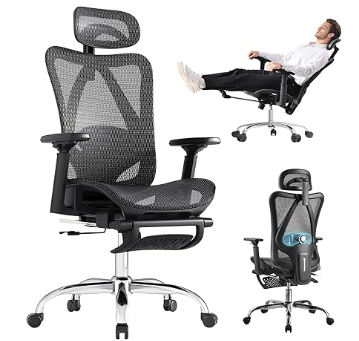
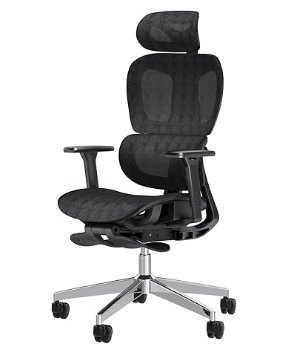
Weight also plays a role as chairs have different weight limits, and the tension on recline mechanisms may feel different depending on your size. Before choosing a chair, measure your height and check the product specifications. Here’s a good chair that may fit big & tall guys, and here is a good all-rounder for most sizes.
Seat Height and Depth: Finding Your Perfect Fit
Seat height is one of the most important adjustments. Ideally, your feet should rest flat on the floor, with your knees forming roughly a 90-degree angle.
Many chairs have gas lift mechanisms for easy height adjustment. Seat depth is equally important: a seat that’s too deep can leave a gap between your back and the lumbar support, while a shallow seat won’t support your thighs properly. Some chairs offer adjustable seat depth, these are worth considering if your body proportions don’t match standard sizes.
Backrest and Lumbar Support: Keep That Spine Happy
Lumbar support is the key to preventing lower back pain. Look for chairs with adjustable lumbar support that allows you to raise, lower, or change the firmness of the support. Some high-end chairs even let you fine-tune the curvature to match your spine.
The backrest height and recline range also matter: you want to be able to lean back comfortably without losing support. If you spend long hours at a desk, a well-designed backrest can make a huge difference in your posture and energy levels.
Material and Build Quality: Mesh, Leather, or Fabric?
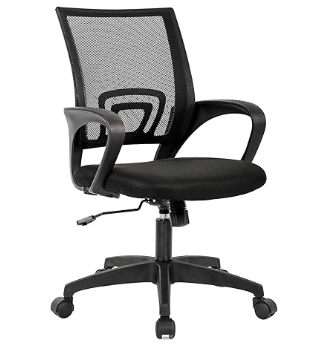
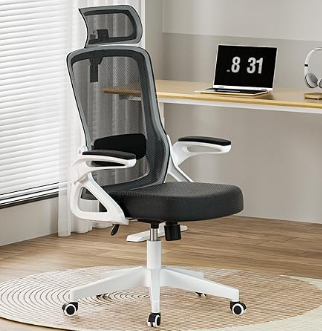
The material affects comfort, breathability, and durability. Mesh chairs are breathable and keep you cool during long sessions. Leather chairs look sleek and are easy to clean, but they can feel warm in summer. Fabric chairs are soft and cozy, but stains can be tricky to remove. The frame also matters: steel or aluminum frames are more durable, while plastic frames can save weight but may wear out faster. Think about your workspace environment and how much maintenance you want to do.
Top picks based on material:
Budget Considerations: Getting the Best Value
Ergonomic chairs range from under $100 to over $1,000. Price alone doesn’t guarantee comfort. Some mid-range chairs offer almost all the features of high-end models at a fraction of the price. Consider what features are essential for you and what you can live without. Reading reviews and checking return policies can save you from buyer’s remorse. Investing a bit more in a well-built chair often pays off in the long run because it lasts longer and keeps you comfortable.
Armrests, Recline, and Adjustability: What You Actually Need
Adjustable armrests help prevent shoulder and neck strain, but more adjustability isn’t always better. Focus on armrests that allow you to move them up and down, sideways, or forward and backward depending on your desk setup.
Recline is another feature that can improve comfort; a chair that locks at different angles lets you switch between upright work and relaxed positions. Look for tilt tension controls so the recline matches your body weight. Don’t get distracted by too many fancy features—you want what you’ll actually use every day.
Quick Recap: Choosing the Chair That Works for You
- Measure your body before buying
- check seat height and depth, prioritize lumbar support
- choose only the features you’ll use, pick a material that fits your lifestyle
- stay within your budget.
Taking the time to consider these factors will help you find a chair that supports your posture, keeps you comfortable, and makes your workspace more productive. Once you know what you need, it’s easy to compare options and pick a chair that’s right for you.